
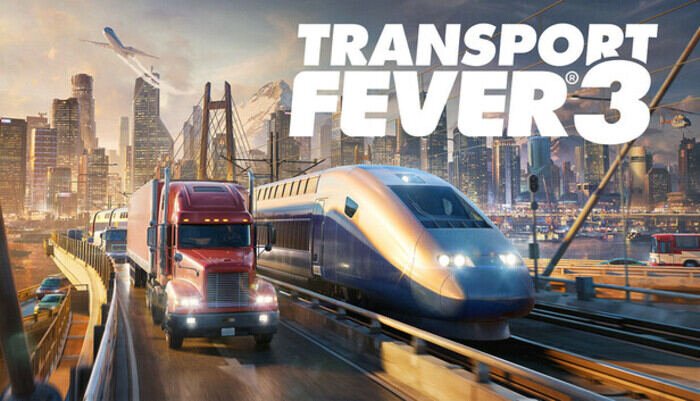
Transport Fever 3 is a modern transport-management simulation that puts you in charge of building and expanding a transportation network. Instead of managing just one type of vehicle, you can create connected systems using trains, buses, trucks, ships, and aircraft while developing cities and industries around your routes.
The game is designed around the idea that transportation changes the world around it. A new railway can connect distant towns, a better bus network can improve urban mobility, and an efficient freight route can help industries grow.
What Is Transport Fever 3?
Transport Fever 3 is a transportation and business simulation game developed by Urban Games.
The main objective is to build a successful transport company and create networks that efficiently move passengers and cargo between different locations.
You can establish routes through cities, connect industries with factories, transport goods to commercial areas, and develop passenger services between growing towns.
Every decision affects the wider transportation network. A poorly planned route can create congestion or unnecessary expenses, while a carefully designed network can improve efficiency and generate more income.
Building Your Transportation Network
The heart of Transport Fever 3 is network construction.
You can create roads, railways, shipping routes, and air connections to link different parts of the map. Each transportation method has its own advantages, making it important to choose the right vehicle for each job.
Buses and trams can handle local passengers, while trains are useful for longer journeys and large passenger volumes. Trucks can move goods between industries and cities, ships can transport large quantities of cargo, and aircraft can connect distant locations quickly.
Gameplay Experience
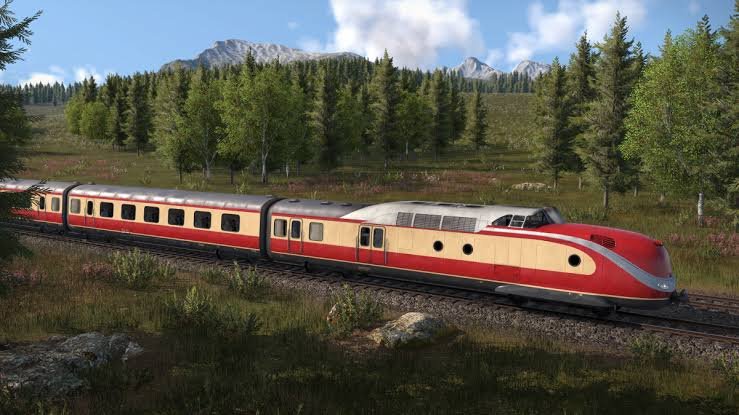
At the beginning of a new map, you may have only a few towns and industries to connect. As your company grows, cities become larger, production chains become more complicated, and passenger demand increases.
You’ll need to study the map before placing new infrastructure. Terrain, existing roads, rivers, mountains, and city layouts can all affect the cost and efficiency of a route.
Once your network becomes established, you’ll constantly have opportunities to improve it. You might replace old vehicles, expand a railway line, add another bus route, or create a new cargo connection.
Passenger Transportation
Cities generate demand for transportation, and passengers need reliable ways to travel between residential areas, commercial districts, stations, and other destinations. Gamer Stop Simulator
You can create local public-transit networks using buses and other urban vehicles, then connect cities with larger railway or aviation systems.
A successful passenger network requires more than simply placing vehicles on roads. Stations need to be positioned intelligently, routes should avoid unnecessary detours, and schedules need to provide enough capacity for demand.
As cities develop, transportation requirements can change, forcing you to adapt your network.
Cargo and Industry
Industries produce raw materials that need to reach processing facilities before finished goods can be delivered to their final destinations.
For example, a production chain might require raw resources to travel from an extraction site to a factory and then continue toward a city.
You can use trucks for short-distance transportation, trains for large quantities over land, ships for major water-based routes, and aircraft when speed is more important than capacity.
Vehicles and Transportation Options
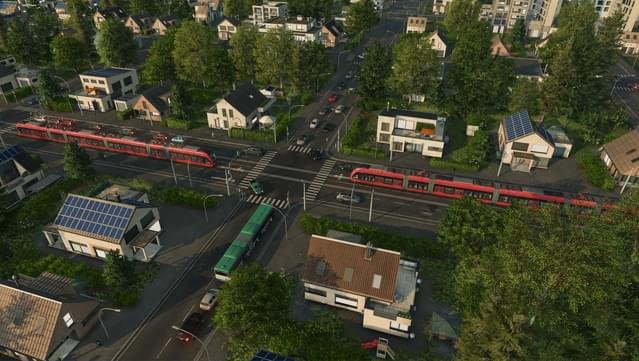
Transport Fever 3 features a wide range of transportation vehicles.
Depending on the route you’re building, you can use:
- Buses
- Trams
- Trucks
- Trains
- Ships
- Aircraft
Older vehicles may eventually become less efficient, giving you a reason to replace them with newer models. Building a modern fleet can improve your network, but purchasing new vehicles also requires careful financial planning.
Cities and World Development
Cities aren’t simply static locations placed on the map. Transportation can influence how they grow and how people and businesses interact with one another.
A well-connected town can become increasingly important as new transportation links are established. Better connections can increase passenger movement and improve access to goods.
This creates a feedback loop where your transport company helps shape the world while the changing world creates new transportation challenges.
Campaign and Sandbox Gameplay
A structured campaign can introduce players to the game’s mechanics through specific objectives and transportation challenges. This makes it easier to learn how the various systems work.
Sandbox gameplay provides much more freedom. You can choose your own map settings, establish transportation networks without following a strict story, and experiment with different strategies.
Sandbox mode is particularly appealing to experienced simulation players who enjoy spending hours designing and improving their networks.
Key Features
- Large-scale transportation management
- Passenger and cargo networks
- Roads, railways, waterways, and aviation
- Extensive vehicle selection
- Growing cities and industries
- Detailed logistics chains
- Route planning and network optimization
- Campaign scenarios
- Flexible sandbox gameplay
- Infrastructure construction
- Vehicle upgrades and fleet management
- Economic management
- Large maps designed for long-term play
Graphics and Sound
Transport Fever 3 features detailed environments designed to make large transportation networks easy to follow while still providing plenty of visual detail.
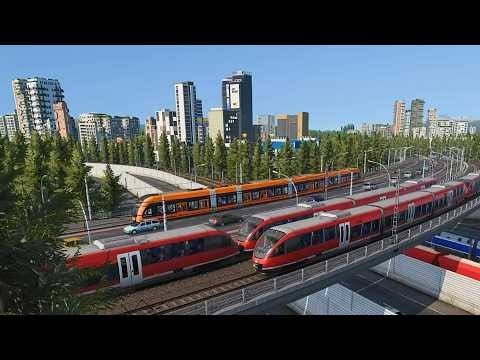
Watching a busy railway station fill with passengers or seeing cargo trains travel between industrial areas can be particularly satisfying after you’ve spent time planning the network.
The interface is designed around management and construction, while the visual presentation allows you to zoom between individual vehicles and a much larger view of your transportation empire.
Managing Money
Building infrastructure requires money, so financial planning is an important part of the experience.
Every new road, railway, station, vehicle, and route represents an investment. You need to balance the cost of expansion against the income generated by your existing network.
A route may look useful on the map but become unprofitable if operating costs are too high or demand is too low.
Successful management therefore requires patience. Expanding too quickly can create financial problems, while improving existing routes can sometimes be more effective than constantly building new ones.
Who Will Enjoy Transport Fever 3?
Transport Fever 3 is especially suited to players who enjoy:
- Management simulations
- Transportation games
- City-building systems
- Railway management
- Logistics and supply chains
- Economic strategy
- Sandbox gameplay
- Route optimization
- Long-form strategy games
Final Thoughts
Transport Fever 3 expands on the idea of building a transportation empire where every road, railway, station, and vehicle has a purpose.
The combination of passenger services, cargo logistics, growing cities, vehicle management, and economic planning creates a detailed simulation that rewards patience and careful decision-making.
Whether you enjoy designing complex railway networks, optimizing industrial supply chains, or simply watching a city develop around the infrastructure you build, Transport Fever 3 offers plenty of opportunities to experiment.