
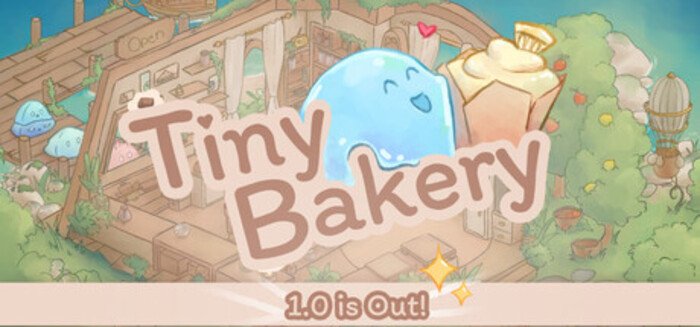
Tiny Bakery is a cozy bakery management and cooking simulation game developed and published by Bubbly Games. Instead of putting players in charge of a huge restaurant or a complicated business empire, the game focuses on something much simpler: running a small bakery for adorable slime customers.
The main idea is easy to understand. You prepare different baked goods, serve customers, manage ingredients, improve your bakery, and gradually unlock new recipes and content. However, the game adds enough management and time-based challenges to make the experience more interesting than simply following recipes.
What Is Tiny Bakery?
Tiny Bakery is a casual, indie, and simulation game centered around operating your own small bakery. You are responsible for preparing food, keeping ingredients organized, serving customers, and making sure the bakery is ready for the next day.
The customers in the game are sweet-toothed slimes, which gives the game its unusual fantasy identity. Instead of ordinary human customers, these colorful creatures visit your shop with different cravings. Your job is to understand what they want and prepare the correct items for them.
The bakery itself can also become more personalized as you progress. New recipes, furniture, decorations, and other improvements give you reasons to continue developing your shop. The game combines cooking with shop management, creating a gameplay loop that is simple enough for casual players but still gives you goals to work toward.
Game Information
- Title: Tiny Bakery
- Developer: Bubbly Games
- Publisher: Bubbly Games
- Genre: Casual, Indie, Simulation
- Game Mode: Single-player
- Platform: PC
- Engine: Unity
- Release Date: September 8, 2026
- Early Access Release: April 20, 2026
- Storage: 8 GB available space required
Story and Setting
Tiny Bakery does not follow the traditional structure of a large story-driven adventure. Instead, its narrative is built around your bakery and the small community that develops around it.
You begin with a modest bakery and gradually turn it into a welcoming place for slime customers. Every day gives you another opportunity to prepare food, discover new recipes, serve visitors, and improve the shop.
The fantasy setting makes the experience more charming than a realistic business simulator. The customers are colorful slimes, the bakery has a playful visual style, and seasonal events introduce different themes throughout the year.
There is also a mystery connected to the bakery’s previous owner. The developers have indicated that the 1.0 version includes a revelation about what happened to the previous baker, giving the game a small narrative mystery alongside its management gameplay.
Gameplay
The main gameplay loop in Tiny Bakery revolves around preparing baked goods and serving customers. You need to collect and organize ingredients, follow recipes, prepare different stages of cooking, and make sure finished products are ready when customers arrive.
This process sounds simple, but running a bakery means managing several tasks at once. You may need to prepare one recipe while organizing ingredients for another order, keeping the bakery clean, and making sure there is enough food available for incoming customers.
The game therefore creates a gentle form of time management. It is not designed as an extremely stressful cooking challenge, but you still need to stay organized if you want your bakery to operate efficiently.
Baking and Recipes
Baking is obviously the heart of Tiny Bakery. Players can discover and unlock different recipes as they progress through the game.
The recipes require different ingredients and preparation steps, meaning that baking is more interactive than simply selecting an item from a menu.
The game has gradually expanded its recipe selection during development. For example, updates introduced items such as cheesecake, while the developers have also discussed adding more recipes and additional baking content.
This progression gives players something new to look forward to. As the bakery becomes more successful, the menu can become more varied, allowing you to satisfy a wider range of slime customers. Bus Simulator 27
Customer Management
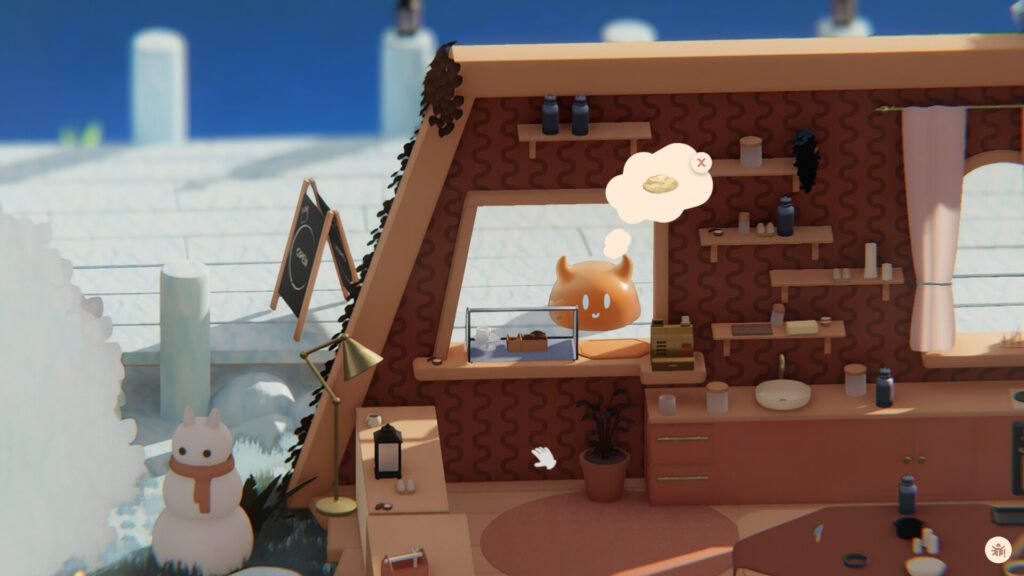
Customers are an important part of the gameplay because every slime has its own cravings.
Instead of preparing random food, players need to pay attention to what customers actually want. If several customers arrive around the same time, you need to organize your work and decide which orders should be prepared first.
This creates a light management challenge without turning the game into an aggressive time-management simulator.
The variety of customers also helps make the bakery feel alive. New guests can appear as you progress, while festivals and seasonal changes can influence what customers are looking for.
Seasons, Weather and Festivals
One of the features that makes Tiny Bakery different from many basic cooking games is its changing environment.
The bakery experience changes with weather, seasons, and festivals. Customer cravings can change depending on these events, meaning players have to adapt their menu and preparation strategy.
Festivals also provide special occasions where new content can appear. The developers have worked on multiple festivals as part of the game’s progression toward version 1.0.
These systems give the game a sense of time and progression. Instead of repeating exactly the same day over and over, players can experience different periods and prepare for special events.
Bakery Customization
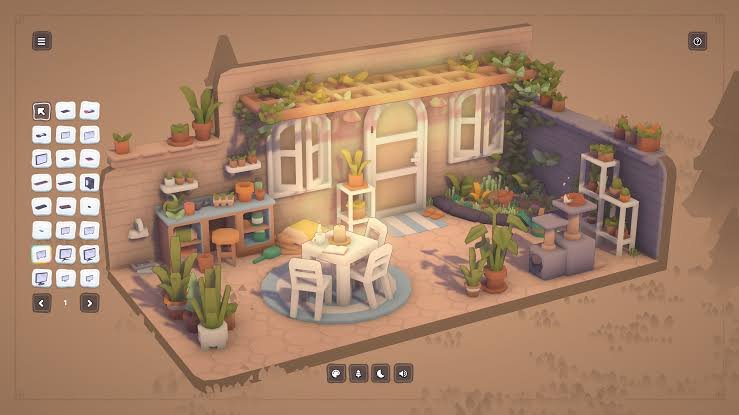
Customization is another important part of Tiny Bakery. Players can decorate their bakery and change its appearance as they progress.
Furniture and decorations allow you to create a shop that feels personal rather than simply using a fixed layout.
The developers have added additional furniture and improved the placement system during development. Some furniture can also be placed outside the bakery, giving players more freedom when designing their space.
Customization is particularly enjoyable for players who like cozy games because there is no single perfect way to make the bakery look. You can gradually create a space that matches your preferred style.
Resource Management

Ingredients need to be available when you need them, and storage has to be organized so that preparation does not become unnecessarily difficult.
As the menu grows, resource management becomes more important because there are more ingredients and recipes to keep track of.
This adds a strategic element to what otherwise might be a very simple cooking simulator. Players who keep their bakery organized can prepare orders more efficiently and avoid wasting time searching for ingredients.
Daily Preparation
The game uses a day-based structure that makes preparation an important part of the experience.
At the end of a day, you can think about what went well and prepare the bakery for the next one. Ingredients can be organized, equipment can be arranged, and the shop can be prepared for expected customer demands.
This routine creates a satisfying rhythm. Instead of feeling like one endless level, the bakery develops through a series of individual days.
Graphics and Visual Style
Tiny Bakery uses a colorful and cute visual style that fits its cozy fantasy setting.
The slime customers are the obvious highlight because they give the game its distinctive personality. Their playful appearance makes the bakery feel more like a small fantasy world than a realistic commercial kitchen.
The bakery itself is filled with ingredients, cooking equipment, furniture, decorations, and baked goods. These details help make the shop feel like a place that is actually being used.
The colorful presentation also works well with the game’s relaxing nature. There is no dark or aggressive atmosphere, making Tiny Bakery suitable for players who prefer cheerful simulation games.
Sound and Atmosphere
The sound design supports the game’s cozy atmosphere rather than trying to create tension.
Cooking sounds, customer interactions, and general bakery activity help make the shop feel active while keeping the experience relaxed.
The overall presentation is designed around the feeling of running a small, friendly bakery. This makes it particularly suitable for players who want something they can play casually without constantly worrying about combat, difficult missions, or competitive multiplayer.
My Personal Experience

What I like about Tiny Bakery is that it doesn’t try to make the bakery-management concept unnecessarily complicated.
The game gives you a clear objective: make good food, serve your customers, and improve your shop. At the same time, the seasonal events and changing customer demands prevent the experience from becoming completely repetitive.
The slime customers are also a great choice because they give the game its own identity. A traditional bakery simulator could easily look similar to many other management games, but the fantasy customers make Tiny Bakery feel more distinctive.
I also like the idea of preparing the bakery for the next day. It gives every session a natural rhythm and makes improvements feel meaningful.
Is Tiny Bakery Multiplayer?
No. Tiny Bakery is designed as a single-player game. Steam lists single-player as one of its supported features.
There is no need to coordinate with other players, which fits the game’s relaxing design. You can focus completely on your bakery, customers, recipes, and decorations without worrying about another player changing your plans.
For players who prefer cooperative cooking games, the lack of multiplayer could be a disadvantage. However, for people looking for a quiet solo simulation, it works well.
Platform Availability
Tiny Bakery is currently available for Windows PC through Steam. The game’s developers originally planned to launch on PC first, with other platforms considered depending on the project’s development and support.
The PC version supports multiple languages, including English, French, German, Spanish, Korean, Brazilian Portuguese, Russian, Simplified Chinese, Ukrainian, and Filipino according to the Steam listing.
Pros and Cons
Pros
Tiny Bakery has a charming concept that combines baking with management and customization. The slime customers give the game a unique identity, while the colorful visuals create a relaxing atmosphere.
The seasonal and festival systems add variety to the daily routine, and the growing recipe selection gives players something to unlock.
Bakery customization is another strong point because players can make their shop feel personal instead of simply following a fixed layout.
Cons
Players looking for fast-paced action or competitive multiplayer will probably not find what they are looking for here.
The game is deliberately relaxed, so some players may eventually find the repeated baking and management routine too slow.
The amount of content can also depend on continued development and updates, although the developers have already expanded the game with additional recipes, decorations, festivals, customers, and other improvements.
Latest Update and Current Status
Tiny Bakery began its Early Access journey on April 20, 2026. During development, Bubbly Games used player feedback to improve the game and introduce new content.
Development updates included new recipes such as cheesecake, cloud saving, additional furniture, storage improvements, performance changes, accessibility options, and various bug fixes.
The developers also announced that the 1.0 version would include additional festivals, new decorations, recipes, customers, and a story revelation concerning the previous baker. After the full release, the team indicated that further content was planned, including a more complete coffee-making system with machines and recipes.
Final Verdict
Tiny Bakery is a charming simulation game that takes the familiar idea of running a bakery and gives it a colorful fantasy twist. Instead of managing a huge restaurant or dealing with complicated business systems, players begin with a small bakery and gradually build it into a welcoming place for slime customers.
The baking system is at the heart of the experience, but the game becomes more interesting because of its resource management, customer requests, seasonal changes, festivals, and bakery customization. Every day gives players another opportunity to improve their workflow and make the shop better.