
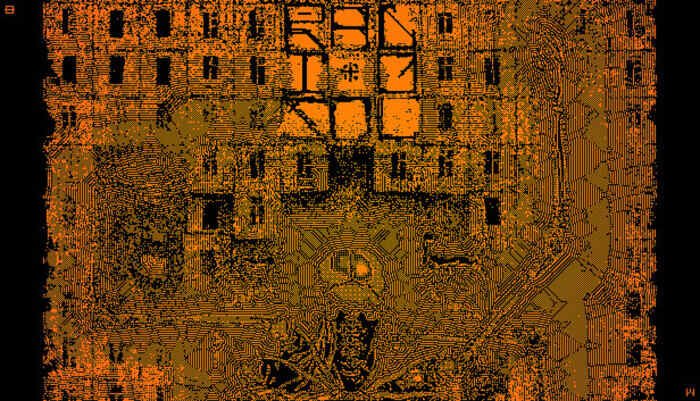
RADIOSOL is a strange and atmospheric science-fiction adventure set in a world that has been almost completely destroyed by a planetary cataclysm. Instead of giving players a traditional action-heavy experience, the game puts exploration, mystery, and atmosphere at the center of the journey.
You travel through enormous ruins, abandoned cities, and strange man-made landscapes while trying to understand what happened to the world. The Sun has become a constant danger, and even something as simple as finding shelter can become part of the experience.
What Is RADIOSOL?
RADIOSOL is a single-player adventure, indie, and simulation game developed by TripletConcept, Yodez, Hius, and WhereaboutsUnknown, with TripletConcept serving as publisher. It was released for PC on September 30, 2026.
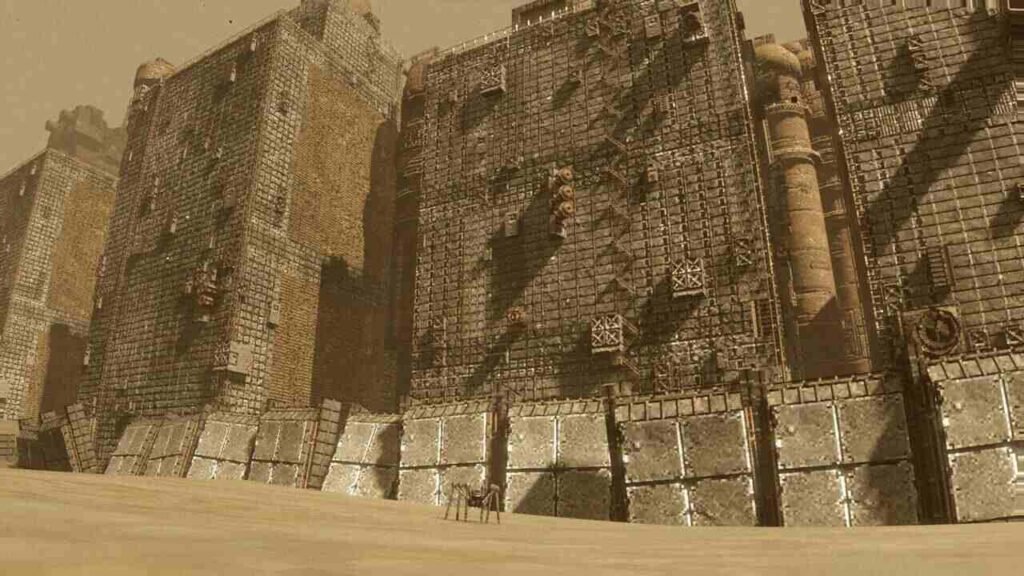
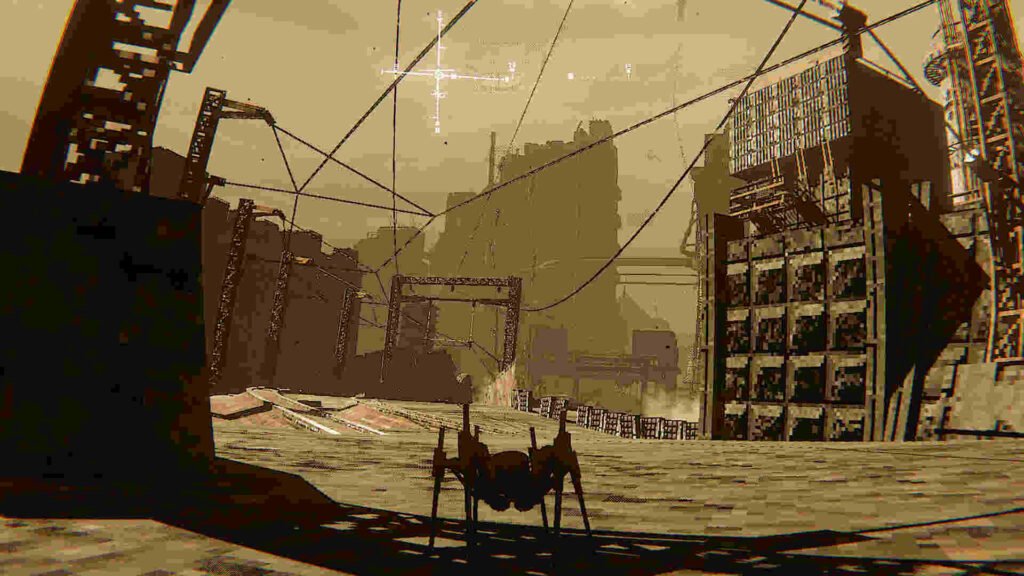
The game takes place after a planetary catastrophe has transformed the environment. Huge concrete structures dominate the landscape, abandoned cities stretch across the world, and the Sun is no longer something you can simply ignore.
Exploration is a major part of the experience. Rather than constantly fighting enemies or completing conventional missions, players are encouraged to observe their surroundings and uncover pieces of information about the strange world around them.
Story and Setting
The world has been burned by a planetary cataclysm, leaving behind enormous structures and abandoned settlements. The remaining environment feels strangely artificial, with concrete mountains and massive constructions shaping the areas you explore.
The game’s protagonist describes being able to hear radio stations, electronic signals, and even distant sounds, yet ordinary human communication has seemingly disappeared. This creates an unusual contrast: the world is full of signals, but almost empty of people.
The game does not simply hand you a complete explanation. Instead, much of its appeal comes from trying to understand what the strange clues mean and how they connect to the history of the world.
Exploring a World Under the Sun
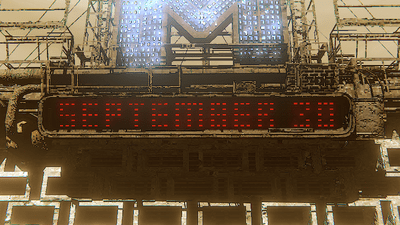
The game takes place in a world where the Sun has become dangerous. Areas that once experienced regular night no longer behave in the same way, and the intense sunlight forces you to think about where you travel and how long you remain exposed.
Exploration therefore isn’t just about walking from one objective to another. The environment itself becomes something you need to understand.
Abandoned cities and enormous ruins encourage you to look around rather than rush forward. Small details can make an otherwise empty location feel important, especially when you are trying to piece together the history of the world.
Gameplay Experience
You move through the ruined world, investigate locations, listen to strange signals, and search for information that can help explain what happened.
The game doesn’t appear to follow the usual structure of an action RPG. There isn’t an emphasis on collecting huge inventories of weapons or defeating endless waves of enemies. Songs of Glimmerwick
The dangerous sunlight adds another layer to movement. You cannot simply treat the environment as decoration because the conditions of the world can directly affect your journey.
The game also uses strange technological and biological elements to make exploration feel unpredictable. Its experimental nature is one of the reasons RADIOSOL stands apart from more conventional post-apocalyptic games.
A Strange Relationship With Technology
Radio signals, electronic sounds, machines, and enormous artificial structures are everywhere. Yet the technology exists alongside an almost complete absence of normal human communication.
You can hear things, discover signals, and interact with a world filled with technological remnants, but you are constantly reminded that something has gone terribly wrong.
The developers also use strange biological and mechanical ideas to raise questions about what the protagonist actually is.
Rather than explaining these ideas immediately, the game allows players to interpret them through exploration and environmental clues.
Atmosphere and Visual Style
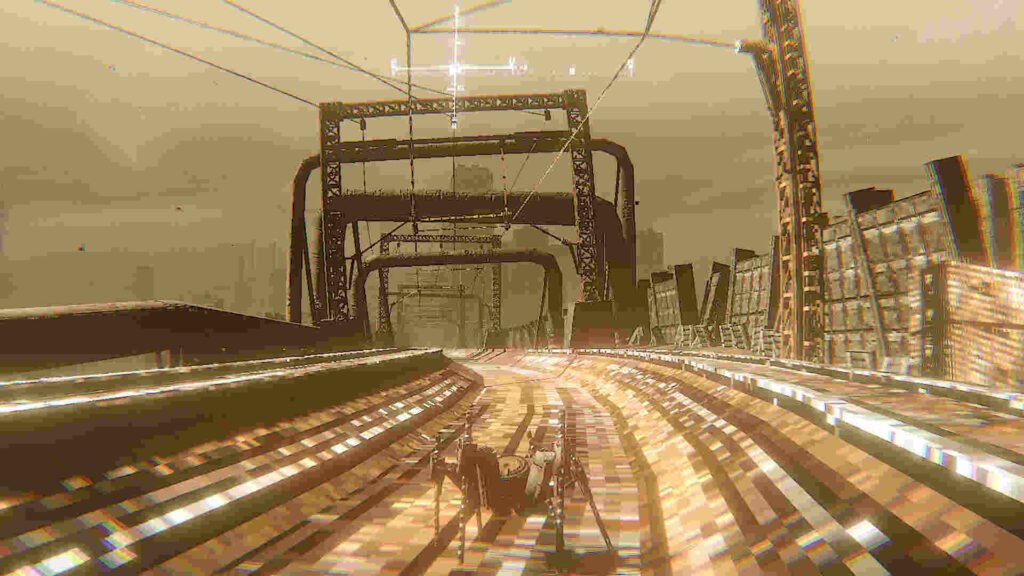
The world combines enormous concrete structures with abandoned urban environments and unusual science-fiction elements. The result is a landscape that can feel both familiar and completely alien.
Its visual presentation is also connected to its experimental identity. Steam lists pixel graphics, stylized visuals, 3D environments, and atmospheric presentation among the game’s popular tags.
The contrast between huge structures and an almost empty world helps create a feeling of isolation.
There is also something unsettling about how quiet the environment can feel. Instead of filling every area with activity, the game allows empty spaces to remain empty, giving players time to notice their surroundings.
Sound Design
Sound is particularly important in RADIOSOL because communication is one of the game’s central ideas.
Radio signals and electronic noises help make the world feel alive even when there are few signs of human life. Distant sounds can become meaningful simply because the environment is otherwise so quiet.
The game’s audio design works together with its setting rather than simply providing background music.
This makes exploration feel more immersive. When you are moving through a ruined city and suddenly hear a strange signal, it naturally creates curiosity about where it came from and what it could mean.
Multiple Endings and Story Discovery
RADIOSOL is listed with multiple endings, which gives players another reason to pay attention to the world and its mysteries.
Rather than treating the story as something that happens only during major scripted moments, the game encourages players to discover information while exploring.
This approach can make the ending feel more connected to everything you have learned along the way.
It also gives the game some replay value. Once you understand more about the world, returning to earlier locations may change the way you interpret certain events.
Graphics and Performance
RADIOSOL does not require an enormous amount of storage, but its official PC requirements are higher than some lightweight indie games.
The minimum configuration calls for Windows 10, an Intel Xeon E5-2680 v3 processor, 4 GB of RAM, and a GeForce GTX 1060. The game requires DirectX 11 and 4 GB of available storage.
For the recommended setup, the developers list Windows 11, an 11th-generation Intel Core i7-11800H, 8 GB of RAM, and a GeForce RTX 3060. DirectX 11 and 4 GB of storage are still required.
Who Will Enjoy RADIOSOL?
RADIOSOL is likely to appeal most to players who enjoy unusual and atmospheric games.
You may enjoy it if you like:
- Post-apocalyptic worlds
- Science-fiction mysteries
- Exploration-focused games
- Walking simulators
- Open-world environments
- Experimental indie games
- Lore-heavy storytelling
- Strange and surreal settings
- Games with multiple endings
- Stories that leave room for interpretation
Final Thoughts
RADIOSOL creates a lonely and mysterious science-fiction world where the environment is just as important as the story.
The burned landscape, enormous structures, dangerous sunlight, strange signals, and unanswered questions all contribute to an experience that feels deliberately unfamiliar. Rather than rushing players toward constant action, the game gives them space to explore and think about what they are seeing.
Its single-player design also fits the concept perfectly. You are not surrounded by a team of characters explaining everything. Much of the journey is about being alone with the world and trying to understand it.