
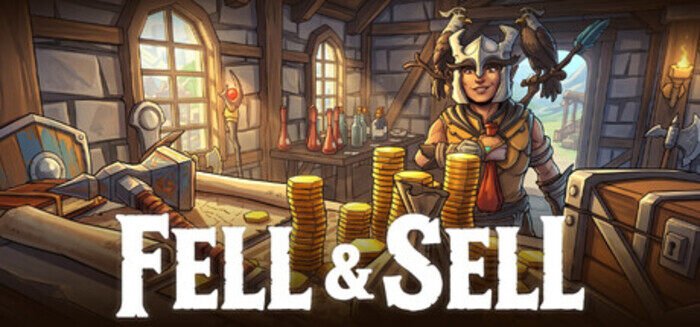
That is the unusual idea behind Fell & Sell. Instead of buying goods from suppliers and simply putting them on shelves, you have to go out into dangerous places yourself. You fight enemies, explore dungeons, collect valuable loot, return home alive, craft useful items, and then turn your hard-earned rewards into profit.
Developed by Art Games Studio S.A. and published by Art Games Studio S.A. and PlayWay S.A., Fell & Sell was released for PC on August 26, 2026. It combines first-person hack-and-slash combat with roguelike dungeon runs and shop-management mechanics. The result is a game where your success depends on both your ability to survive dangerous encounters and your ability to run a profitable business.
Game Overview
- Title: Fell & Sell
- Developer: Art Games Studio S.A.
- Publisher: Art Games Studio S.A., PlayWay S.A.
- Release Date: August 26, 2026
- Genre: Action, RPG, Simulation
- Mode: Single-player
- Platform: PC
- Engine: Unity
- Storage: 4 GB
- Steam Achievements: 97
- Steam Cloud: Yes
- Demo: Available
What Is Fell & Sell About?
The central idea is to become a successful shopkeeper in a fantasy world where obtaining merchandise is anything but safe.
Your shop needs products. Instead of simply purchasing everything, you can acquire goods by exploring dangerous areas. Skeletons, monsters, and other threats stand between you and the valuable materials you need.
This creates an interesting relationship between combat and business.
A good dungeon run can provide the resources needed to improve your shop. A bad run can leave you with nothing if you die before securing your unbanked loot. The deeper you travel, the greater the potential reward, but the danger increases at the same time. VHOLUME
Gameplay
Fell & Sell is divided between two major activities: adventuring and running your shop.
When you are in the dungeon, the game plays like a first-person action RPG. You fight enemies, explore different areas, search for valuable items, and try to survive long enough to bring your haul back.
When you return to your business, the pace changes. Your collected resources become part of the shop-management side of the game. You can craft items, create stock, organize your shelves, and work toward making more money.
This constant change between dangerous exploration and quieter management is what gives the game its identity.
You are never completely separated from either side. The success of your shop depends on what you accomplish outside it, while the money and improvements from your shop help you prepare for future adventures.
Dungeon Exploration
The dungeon is where most of the danger comes from.
You descend into increasingly dangerous areas filled with enemies and valuable loot. Skeletons and monstrous creatures can stand between you and the rewards you want, meaning that simply finding an item is not enough. You have to survive the journey home as well.
The developers specifically emphasize that deeper dungeon areas contain rarer loot. That creates a tempting question during every run: should you leave with what you already have, or continue deeper for something potentially much better?
This is a classic roguelike risk-and-reward structure, but it works particularly well here because the loot has a practical purpose. You are not collecting resources only to increase a number on a screen. You need them to support your shop.
The Risk of Losing Your Loot
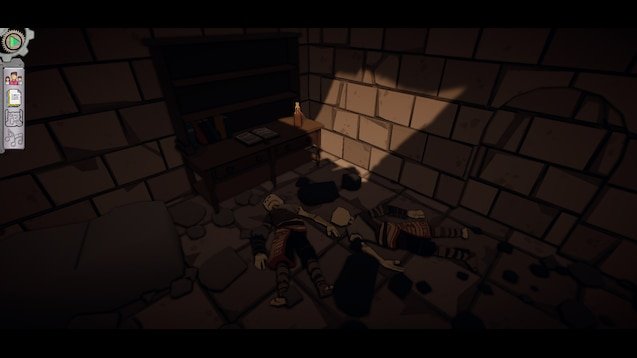
One of the most important mechanics is the difference between secured and unbanked loot.
If you die while carrying your current dungeon haul, you lose the entire unbanked collection.
Imagine that you have already collected several valuable items. You could return home safely and turn them into useful resources. But perhaps the next room contains an even rarer reward. Going deeper could make your run much more profitable, but it could also wipe out everything you have gathered.
This is where Fell & Sell gets more interesting than a basic dungeon crawler.
The game constantly asks you to judge how much risk you are willing to accept.
Combat
Combat takes place from a first-person perspective and uses hack-and-slash mechanics.
You fight skeletons and other monsters while exploring the dungeon, using your equipment and abilities to survive. The combat is closely connected to progression because stronger equipment and different build options can affect how you approach future encounters.
The game also includes dungeon altars that can radically change your playstyle.
These are not simply small stat improvements. The developers describe effects such as shrinking your character to help avoid large attacks, turning heavy objects into gold through the Midas Touch, and changing between unusual combat states.
These modifiers help prevent every run from feeling identical.
Build Variety
Build experimentation is an important part of Fell & Sell.
Roguelike games are often at their best when players can discover combinations that completely change how they approach a run. Fell & Sell uses its altar system to provide that kind of variation.
One run might encourage a more aggressive approach, while another could make you think more carefully about positioning and survival.
The exact build you create can therefore influence how you handle enemies, loot, and the deeper sections of the dungeon.
For players who enjoy experimenting with different approaches rather than following one fixed character build, this system should add replay value.
The Living Forest
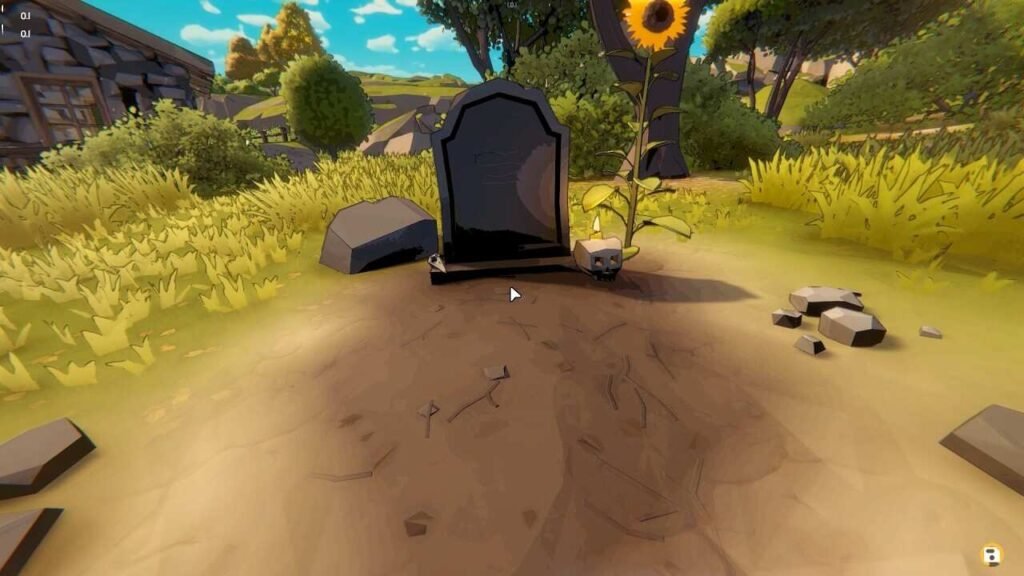
The dungeon is not the only dangerous location.
Fell & Sell also includes a forest area where nature itself creates problems. The developers describe goblin raids, sudden thunderstorms, and a psychedelic mushroom season as some of the unpredictable events players can encounter.
This gives the game a different flavor from the traditional dungeon environment.
Instead of constantly fighting through corridors, you can explore the forest, forage for materials, and deal with environmental events. It creates another way to gather resources for your growing business.
The forest also reinforces the idea that the world outside your shop is essentially your supply chain.
Shop Management
Once you return safely with your materials, the game shifts into its management side.
Your shop needs products, and you need to decide how to turn your collected resources into things worth selling. Crafting allows you to transform materials into merchandise, while your store gives you a place to display and sell your inventory.
This means that dungeon loot is only the beginning.
The real objective is to turn successful runs into a stronger business.
The shop-management systems include crafting, shelves, shop fixtures, inventory management, and pricing. You are not simply throwing items into a chest and waiting for money to appear. Your store becomes another part of the progression system.
Crafting and Stocking Shelves
Crafting gives your collected materials another purpose.
Instead of selling everything immediately, you can use resources and recipes to create products for your store. This adds a small layer of decision-making because different materials can have different uses.
Your shelves then become a visual representation of your progress.
At the beginning, you may have only a small amount of merchandise. As you continue exploring and improving your business, your shop can become increasingly developed.
The progression from a simple store to a more successful fantasy business is one of the game’s most satisfying ideas.
My Personal Experience
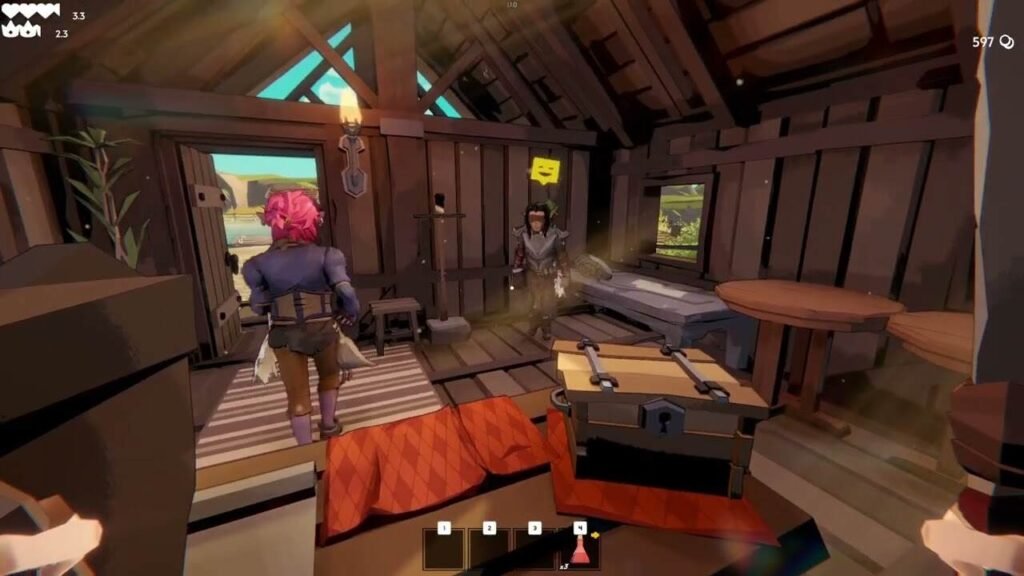
In many games, combat and management feel like completely separate systems. Here, the connection is much clearer. If you want better merchandise, you have to go out and get the materials. If you want better dungeon runs, you need money and resources to improve your operation.
I also like the fact that dying has a real consequence. Knowing that your current haul is not completely safe makes the deeper parts of a run more exciting. When you have already collected something valuable, the decision to continue is no longer automatic.
At the same time, there is a danger of repetition. Players who do not enjoy repeating dungeon runs or managing inventories may eventually find the loop less interesting. Fell & Sell is designed around repetition, improvement, and gradually becoming more efficient, so the experience depends heavily on whether you enjoy that type of progression.
Visual Style and Atmosphere
Fell & Sell uses a stylized 3D fantasy presentation viewed from the first-person perspective.
The environments are designed around the contrast between a relatively peaceful shop and dangerous areas filled with monsters. This helps separate the two major sides of the game.
The fantasy setting also gives the developers plenty of room for unusual gameplay ideas. A magical altar, a strange mushroom season, a goblin attack, or an enchanted item does not feel out of place.
Multiplayer – Is Fell & Sell Multiplayer?
No. Fell & Sell is a single-player game.
The official Steam listing currently identifies Single-player as its supported gameplay mode. It does not list online multiplayer or cooperative gameplay among the game’s features.
That makes sense for its design because your shop, inventory, dungeon progress, and business decisions are all centered around your own character.
System Requirements
Minimum Requirements
- OS: Windows 8/8.1/10/11
- Processor: Quad Core Processor or equivalent
- Memory: 8 GB RAM
- Graphics: GTX 760 2 GB or equivalent
- Storage: 4 GB available space
- Sound Card: DirectX compatible
Recommended Requirements
- OS: Windows 8/8.1/10/11
- Processor: Intel Core i7-4790K or AMD Ryzen 7 1700
- Memory: 16 GB RAM
- Graphics: NVIDIA GTX 970 or equivalent
- Storage: 4 GB available space
- Sound Card: DirectX compatible
Pros and Cons
Pros
- Very unusual combination of genres
- Fun connection between combat and business management
- First-person combat gives dungeon exploration an active feel
- Risk-and-reward system adds tension
- Rare loot provides a reason to explore deeper
- Build-changing altar system adds variety
- Shop progression gives dungeon rewards a clear purpose
- Forest provides an alternative to dungeon runs
- 97 achievements offer plenty of completion goals
- Low storage requirement
- Steam Cloud support
Cons
- Repeated dungeon runs may become repetitive
- No multiplayer or co-op
- Inventory and shop management may not appeal to action-focused players
- Risk of losing unbanked loot can be frustrating
- Players expecting a traditional shop simulator may find the combat-heavy structure surprising
How to Download Fell & Sell
The safest way to get Fell & Sell for PC is through its official digital release on Steam. The game also has an official demo, so players can test the basic gameplay before deciding whether the full experience is right for them.
Avoid unofficial installers, cracked versions, or modified downloads from unknown websites. These can contain unwanted software and may also be missing updates or Steam-related features.
Using the legitimate PC version gives you access to the game’s official updates, achievements, cloud saves, and other supported features.
Latest Update and Current Status
Fell & Sell launched on August 26, 2026, and its Steam community page shows active developer communication around the release. Before launch, the developers highlighted new dungeon types, a new forest location, additional enemies, bosses, items, and expanded shop progression for the full version.
The game has also received a strong early response from Steam players. At the time of checking, the Steam listing was showing a Very Positive overall review rating, with roughly 80% of hundreds of reviews marked positive.
Should You Play It?
Fell & Sell is worth checking out if you enjoy games that combine different genres instead of sticking to one traditional formula.
The biggest reason to try it is the connection between adventuring and shop management. You are constantly moving between two very different activities, and each one supports the other. Combat gives you resources for the shop, while the shop helps you prepare for better dungeon runs.
The risk system is another strong point. Knowing that unbanked loot can disappear if you die makes every deep run more meaningful. It gives you a reason to think before taking unnecessary risks.
Conclusion
Fell & Sell takes two genres that do not normally appear together and builds its entire identity around them.
You are a shopkeeper, but you cannot simply order your inventory. You have to earn it. That means entering dangerous dungeons, fighting monsters, searching for valuable loot, making difficult decisions about when to leave, and risking everything for the possibility of something better.
Once you return home, the sword can be put away for a while. Your attention shifts toward crafting, organizing stock, improving the shop, and turning your dangerous adventures into actual profit.