
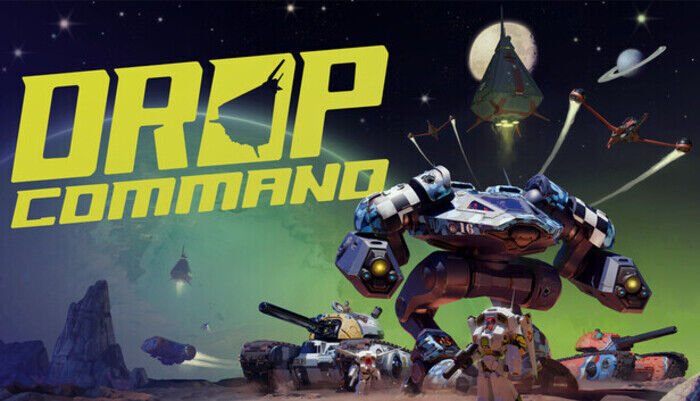
Drop Command is a tactical sci-fi game that combines large-scale mech combat with real-time strategy, simulation, and empire management. Set in the year 2647, the game takes players far from Earth and into a massive conflict across the Hyades star cluster.
What makes Drop Command different from a typical mech game is the scale of its battles. You can jump into the cockpit and personally control a combat unit, but you can also step back and command squads, manage battalions, make strategic decisions, and expand your influence across the stars.
What Is Drop Command?
Drop Command is a single-player action, strategy, simulation, and tactical combat game built around combined-arms warfare.
The battlefield isn’t limited to giant robots. Players can control Mechs, Tanks, VTOL aircraft, and Infantry, switching between units when the situation demands it.
You can begin a battle as a lone pilot or gradually rise through the ranks until you’re responsible for entire groups of soldiers and vehicles. This progression gives the game two different sides: direct combat from the cockpit and broader military management from the command level.
Story and Setting
The year is 2647, and humanity’s conflicts have expanded far beyond Earth.
War is being fought roughly 150 light-years from Earth across the Hyades star cluster. Different factions compete for valuable territory, resources, production centers, and strategic systems.
Instead of presenting the story through a traditional linear campaign alone, Drop Command focuses heavily on the player’s rise through a military conflict.
You begin with limited resources and a small force. As your pilots gain experience and your forces become stronger, you can take control of larger operations and eventually command entire battalions.
Gameplay
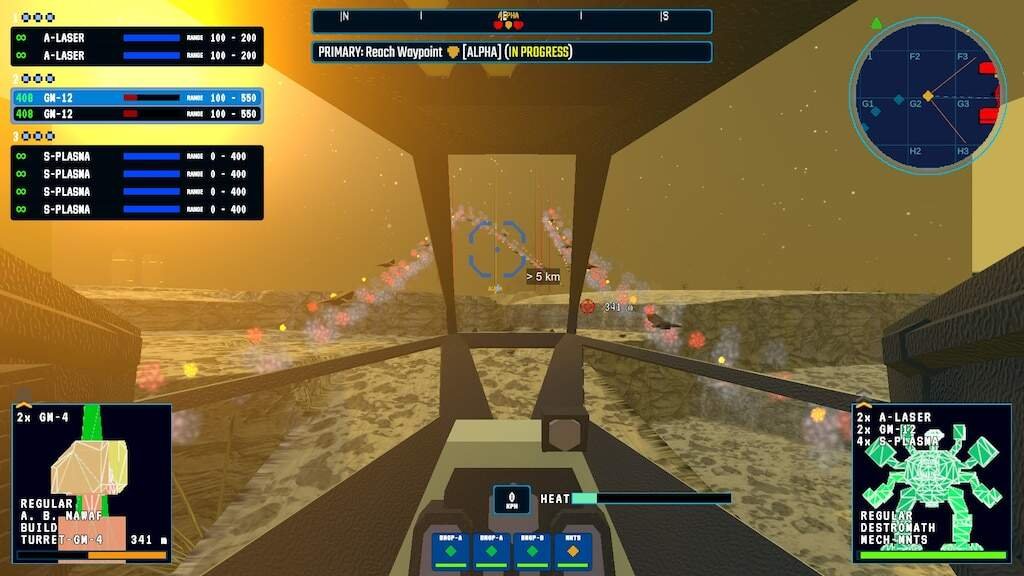
The central idea behind Drop Command is simple: you can fight the battle yourself or command the forces around you.
When you’re inside a Mech or another combat vehicle, the game becomes a direct-action experience. You can aim weapons, move through the battlefield, engage enemy units, and make decisions from the cockpit.
This ability to move between personal combat and battlefield command is one of the game’s defining features. It means you’re not simply watching your units fight from a distant strategy screen. You can become part of the battle whenever you want.
The game also supports combined-arms tactics. Mechs, tanks, infantry, and aircraft have different roles, so building an effective force requires more than simply choosing the biggest machine available.
Mech and Vehicle Combat
The game draws inspiration from classic 1990s-style mech combat while expanding the concept into large-scale battles. Players can customize their units and adjust their loadouts depending on the mission.
Tanks provide heavy ground support, infantry can occupy and defend areas, and VTOL aircraft can provide another layer of mobility and firepower.
The ability to control different types of units makes battles feel more like military operations than simple robot duels.
You might begin an engagement inside a Mech, switch to another unit when circumstances change, and then return to a command role to coordinate your wider force. RADIOSOL
Building Your Military
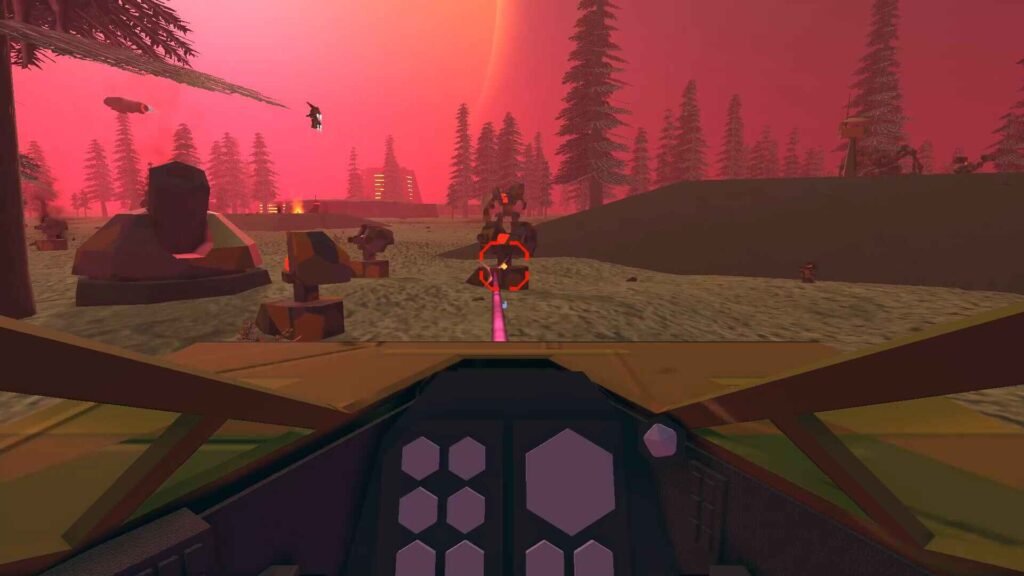
Your pilots gain experience through combat, allowing them to develop over time. Experienced pilots can become valuable members of your forces, while newer recruits can be trained into stronger soldiers.
You can also build specialized squads and develop units according to your preferred style of play.
This progression gives battles consequences beyond simply completing a mission. A successful campaign can gradually create a stronger and more experienced military force.
Managing an Empire
Your objective isn’t simply to destroy enemy units. You are fighting for control of important systems, resources, manufacturing hubs, and political objectives.
As your empire grows, you’ll need to consider where to expand and which locations are worth fighting over.
This gives Drop Command a 4X-style layer alongside its tactical combat. Exploration, expansion, resource management, and military strength all become connected.
The result is a campaign where decisions made away from the battlefield can influence what happens when your forces eventually enter combat.
Procedural Campaign
Drop Command uses a procedural campaign structure, which helps create variety across its star cluster.
Instead of following one completely fixed sequence of battles, the campaign gives players a larger strategic space in which to develop their empire.
The developers have also described different opposing groups, including rival empires, pirate factions, and mercenary forces.
This helps create a setting where not every battle has to feel like a straightforward fight against the same type of opponent.
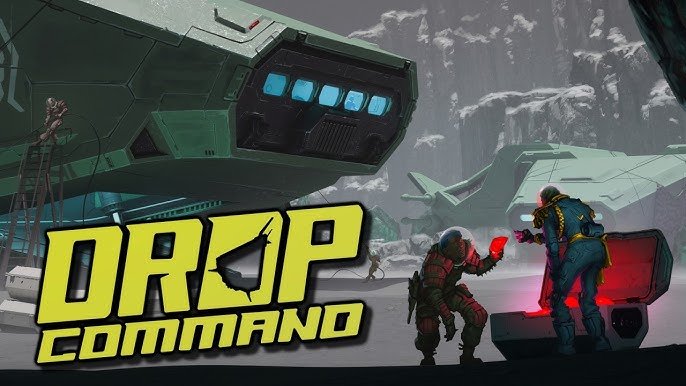
Destructible Battlefields
The combat environments aren’t simply static backgrounds.
Drop Command features destructible debris and unit wreckage, giving battles a more physical feeling. As combat develops, destroyed vehicles and battlefield debris can become part of the environment.
This is particularly useful in a game focused on military operations because the battlefield can gradually look like the result of an actual conflict.
Graphics and Sound
Drop Command uses a science-fiction visual style inspired by classic mech games while presenting battles from a modern perspective.
The large machines, military vehicles, futuristic environments, and cockpit views give the game a strong sci-fi identity.
The scale of the battles is also important visually. Seeing infantry, tanks, aircraft, and massive Mechs operating in the same combat area helps communicate the game’s combined-arms approach.
Sound effects are equally important during combat. Weapon fire, explosions, vehicle movement, and cockpit feedback help make direct control feel more immediate.
Who Will Enjoy Drop Command?
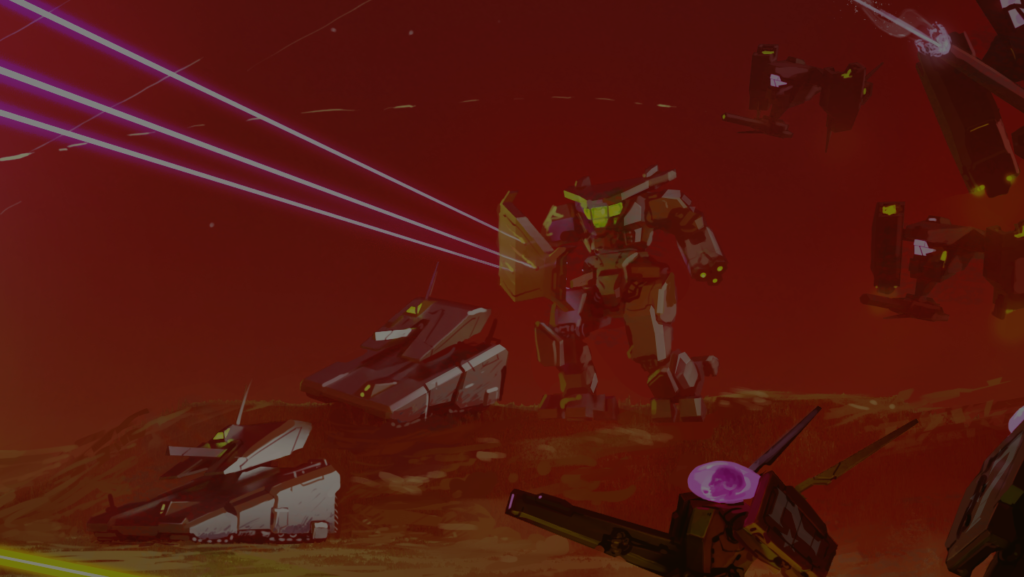
Drop Command should appeal to players who enjoy a mixture of direct combat and strategic decision-making.
You may enjoy the game if you like:
- Mech combat
- Real-time tactics
- Military strategy
- Sci-fi games
- Tactical simulations
- RTS-style command systems
- Vehicle combat
- Procedural campaigns
- Empire management
- Single-player strategy games
Final Thoughts
Drop Command takes the familiar idea of giant mech battles and expands it into something much larger.
You’re not simply controlling a powerful robot and fighting through isolated missions. You’re building a military force, training pilots, controlling different types of vehicles, fighting for strategic territory, and eventually commanding entire battalions across a star cluster.
The combination of cockpit combat, tactical command, procedural campaigns, and empire management gives Drop Command a distinctive identity.