
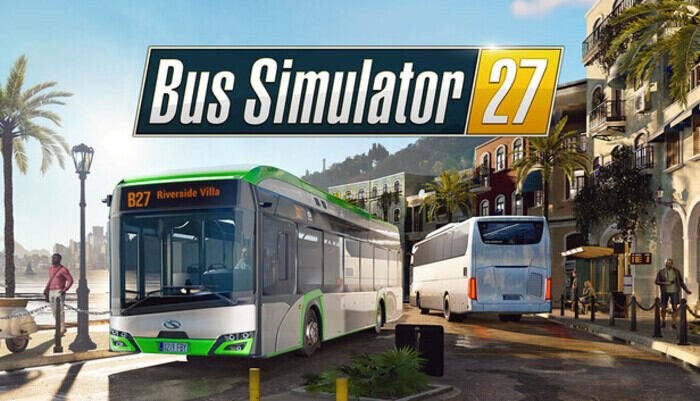
Bus Simulator 27 is a detailed driving and management simulation game that gives players the opportunity to build and operate their own public transportation company. Developed by Simteract and published by astragon Entertainment, the game combines realistic bus driving with route planning, company management, passenger interaction, vehicle customization, and open-world exploration.
The game takes players to Felicia Bay, a fictional southern European region inspired by Spain and Portugal. The area includes two major cities, Alcaztelar and Mequina, along with 20 districts, coastal areas, villages, landmarks, and busy roads. The world is brought to life with dynamic weather, a full day-and-night cycle, and traffic systems powered by Unreal Engine 5.
What Is Bus Simulator 27?
Bus Simulator 27 is a transportation simulation game where players take responsibility for both driving buses and managing a growing bus company.
At the beginning, players can focus on learning how to operate buses and serve passengers. As the company develops, the management side becomes increasingly important. Players can create routes, organize schedules, hire drivers, assign buses to lines, and expand their transportation network.
The game is designed to offer different ways to play. Players can follow the Story mode, build their company in Career mode, or use Sandbox mode for a more relaxed experience. This makes the game suitable for people who enjoy structured progression as well as players who simply want to drive around and explore.
Game Information
- Title: Bus Simulator 27
- Developer: Simteract
- Publisher: astragon Entertainment
- Release Date: September 8, 2026
- Genre: Simulation, Driving, Management
- Game Modes: Story, Career, Sandbox
- Player Modes: Single-player and Online Co-op
- Platform: PC, PlayStation 5, Xbox Series X|S
- Engine: Unreal Engine 5
- Setting: Felicia Bay, Southern Europe-inspired fictional region
Story and Setting
Instead of telling a traditional cinematic story, Bus Simulator 27 gives players a practical objective: help rebuild and improve public transportation in Felicia Bay.
The fictional region is designed as a sunny southern European destination inspired by Spain and Portugal. Its two cities, Alcaztelar and Mequina, are connected by roads and long-distance routes, while smaller areas, beaches, villages, and other locations create variety throughout the map.
Players gradually become part of Felicia Bay’s transportation system. By creating useful routes and providing reliable service, they can help restore residents’ and tourists’ confidence in public transportation.
Gameplay
The gameplay in Bus Simulator 27 revolves around two major activities: driving buses and managing a transportation company.
When driving, players need to follow traffic rules, stop at bus stations, interact with passengers, and complete routes on schedule. The experience is designed to feel more realistic than simply driving from one location to another.
Once players become comfortable behind the wheel, they can concentrate on the management side. Routes can be created and schedules organized according to the needs of different areas.
Players can also hire bus drivers and decide which buses should operate on particular lines. This makes the game feel like a combination of a driving simulator and a business-management game.
Bus Fleet
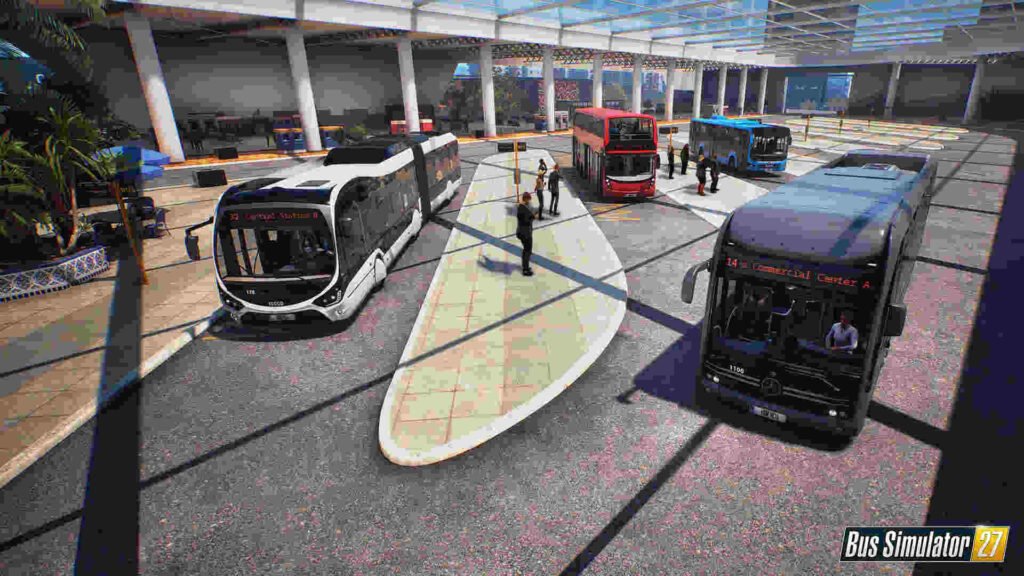
The game launches with more than 45 buses from 13 renowned manufacturers, including names such as Solaris, Mercedes-Benz, MAN, IVECO BUS, Scania, and Volvo.
Players can choose from several types of buses depending on their preferred driving style and the route they want to operate. Traditional rigid buses are available alongside articulated buses, double-deckers, and modern electric buses.
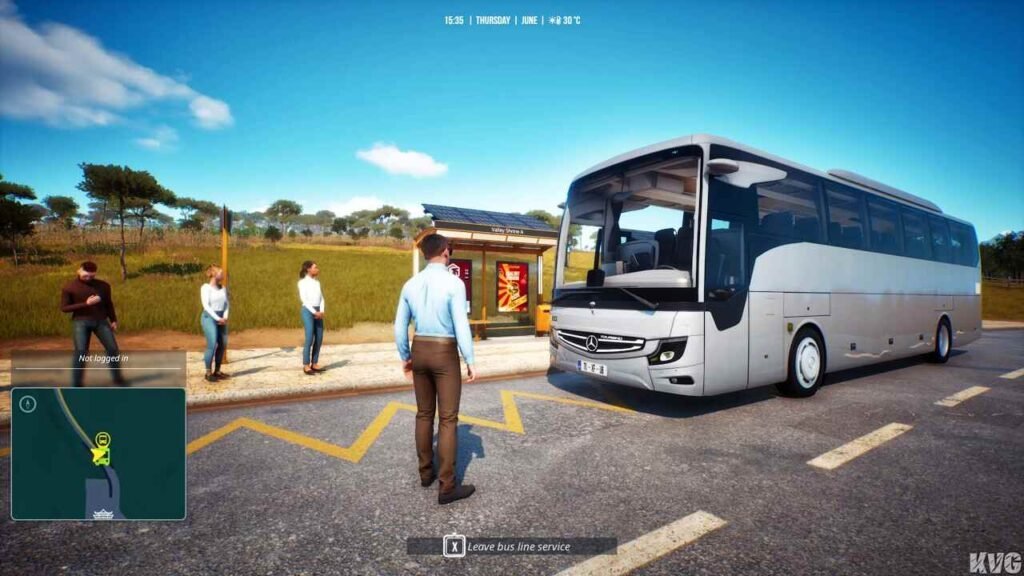
The game also introduces coach buses to the series for the first time. These vehicles are designed for long-distance journeys between cities, adding a new type of route to the simulator. SPRAWL zero
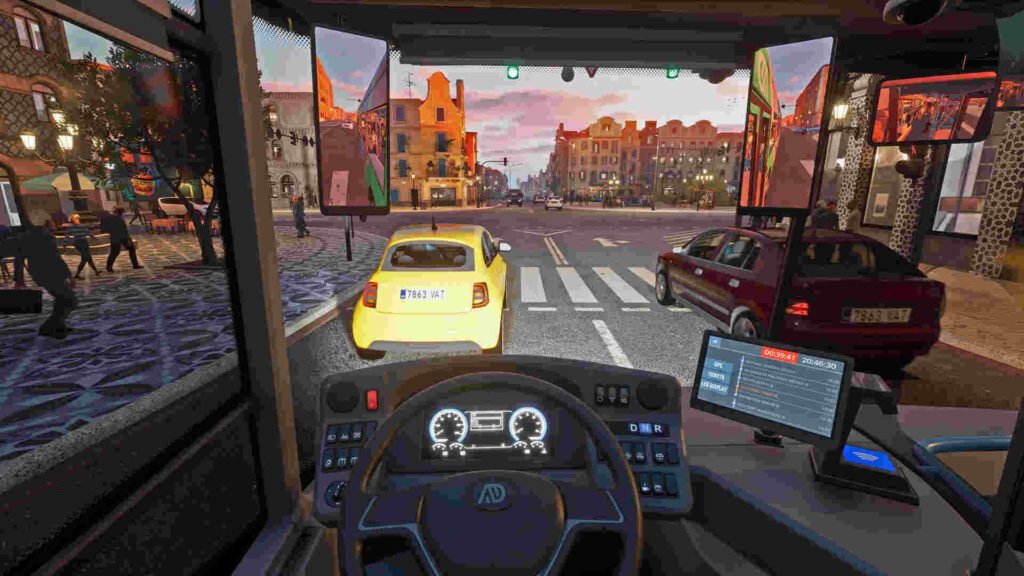
City and Coach Buses
City buses are designed for shorter routes where players make frequent stops and deal with busy streets.
Coach buses provide a different experience because they can travel between cities and cover much longer distances. Players can connect locations such as Mequina and Alcaztelar and provide transportation across the larger region.
This distinction helps prevent the gameplay from feeling repetitive. Players can spend one session operating a busy city route and another session enjoying a longer journey through the countryside.
Route Creation
Route creation is one of the most important management features in Bus Simulator 27.
Players can design their own routes and decide which areas should be connected. They can also manage schedules and determine which buses should operate specific lines.
This means the transportation network is not simply something players follow. They can actively shape it.
A successful route requires more than simply connecting two locations. Players need to consider passenger demand, available buses, schedules, and the overall structure of their transportation company.
Company Management
Running a bus company is just as important as driving the vehicles.
Players can hire drivers, assign employees to lines, manage their fleet, and expand their network as the company grows.
This creates a progression system where successful transportation services can lead to a larger and more efficient company.
Players who enjoy management games will probably spend a significant amount of time planning their network instead of personally driving every single route.
The ability to combine management and driving gives Bus Simulator 27 more depth than a basic vehicle simulator.
Passenger Interaction
Passengers are an important part of the experience. Players are responsible for providing reliable transportation while also dealing with different events that can happen during journeys.
The game includes in-bus events that require players to pay attention to their passengers. This adds another layer of interaction beyond simply stopping at bus stations.
Players can also take on different roles, including driver, inspector, or passenger.
The inspector role provides an opportunity to interact with the transportation system from another perspective, while becoming a passenger allows players to experience their own network from the other side.
Traffic and Road Events
Driving in a large open-world city means dealing with traffic and unexpected situations.
Bus Simulator 27 includes busy roads where players can encounter traffic incidents and accidents. These events can affect the journey and require the driver to remain alert.
Following traffic rules and managing the bus carefully becomes particularly important when operating in crowded areas.
This makes the game more than a simple point-to-point driving experience because the road environment can change while players are working.
Open World
Felicia Bay is designed as a large open-world environment containing two cities and 20 districts. Players can explore the region while driving their buses or even leave the vehicle and explore on foot.
The world includes urban streets, coastal scenery, villages, beaches, and various landmarks.
The ability to walk around the world adds an extra layer of exploration. Players can search for points of interest and hidden collectibles rather than spending the entire game inside the driver’s seat.
This helps make Felicia Bay feel more like a complete game world instead of simply a collection of bus routes.
Weather and Day-Night Cycle
Dynamic weather and a full day-and-night cycle help make the environment feel more alive.
A route can look completely different depending on the time of day or weather conditions. Driving during daylight can provide clear visibility, while nighttime journeys create a different atmosphere.
Weather can also affect the visual experience and make familiar routes feel less repetitive.
These systems contribute to the realism that players generally expect from a modern driving simulator.
Bus Customization
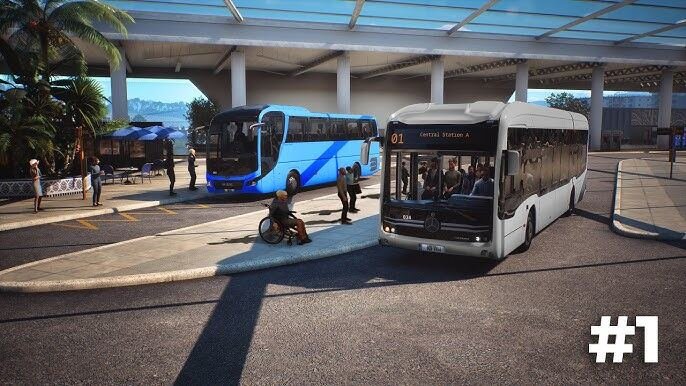
Players can customize their buses with different wraps and advertisements.
This allows the vehicles in their fleet to have a more personalized appearance instead of looking exactly the same.
Customization is particularly useful for players who enjoy building a transportation company with its own visual identity.
As the company expands, the fleet can become a collection of different vehicles with different designs and roles.
Game Modes
Story mode provides structured progression and objectives that help players learn the world and transportation systems.
Career mode focuses more heavily on building and managing the player’s bus company. It is the mode most suited to players who enjoy long-term progression.
Sandbox mode offers a more relaxed experience for players who simply want to drive, explore, and experiment without being heavily restricted by progression requirements.
Having three modes gives the game enough flexibility to appeal to different types of simulation fans.
Multiplayer and Crossplay
One of the biggest new features is cooperative multiplayer.
Players can operate the same route together or divide responsibilities by taking control of different lines.
One player can also join another player’s bus and assist with tasks such as checking passengers’ tickets.
The game supports full crossplay across supported platforms, meaning players can cooperate even when they are playing on different systems.
My Personal Experience
The most interesting thing about Bus Simulator 27 is that it doesn’t force players to choose between driving and management.
You can spend one session simply enjoying a long bus journey and another session planning routes, hiring drivers, and organizing your fleet.
The huge selection of buses also makes progression more enjoyable. Different vehicle types give players reasons to experiment with different routes and driving situations.
The ability to explore Felicia Bay on foot is another nice addition because it makes the world feel larger than the roads themselves.
For fans of simulation games, this combination makes Bus Simulator 27 feel like a complete transportation experience rather than a simple bus-driving game.
Graphics and Visual Style
Bus Simulator 27 uses Unreal Engine 5 to create a detailed open-world environment.
Felicia Bay is designed around a bright southern European atmosphere, with beaches, coastlines, villages, urban districts, and city streets.
The two main cities provide a variety of environments, while the 20 districts give players many different locations to explore.
Traffic, passengers, buses, weather, and lighting all contribute to making the world feel active.
The combination of realistic licensed vehicles and colorful scenery creates a strong visual contrast that fits the game’s relaxed “sunshine” theme.
Is Bus Simulator 27 Multiplayer?
Players can work together to create routes, operate buses, manage employees, and grow their transportation company.
The cooperative system is one of the biggest additions to the game because it allows friends to divide responsibilities rather than having one person manage everything.
Platform Availability
On PC, the game is available through digital stores including Steam and Epic Games Store. It also supports popular steering wheels and gamepads for players who want a more realistic driving setup.
PC players can also expand the game using mod.io modifications.
Pros and Cons
Pros
Bus Simulator 27 offers a huge selection of licensed buses, making it one of the most comprehensive entries in the series.
The open-world Felicia Bay environment provides plenty of locations to explore, while the two cities and 20 districts create variety.
The addition of long-distance coach buses is another major advantage because it introduces a new style of driving.
Cons
The game requires relatively modern PC hardware, especially if players want to run it at higher graphical settings.
Managing routes, schedules, employees, and buses can also feel complicated for newcomers who simply want a straightforward driving game.
Latest Update and Current Status
The developers have continued working on improvements based on player feedback, including fixes for traffic behavior, vehicle acceleration, passenger seating, UI navigation, and other gameplay issues.
Because the game is a modern Unreal Engine 5 simulation with large environments and detailed traffic systems, continued performance and gameplay improvements are an important part of its post-launch development.
Final Verdict
Bus Simulator 27 is a comprehensive transportation simulator that goes far beyond simply driving a bus from one station to another. It combines realistic vehicle operation with route creation, company management, passenger interaction, exploration, customization, and cooperative multiplayer.
Its biggest strength is the amount of freedom given to players. You can spend your time driving city routes, operate long-distance coach buses, create your own transportation network, manage employees, customize vehicles, or simply explore Felicia Bay.