
Scapewatch: Idle MMO is an online RPG built around a simple idea: your character should keep making progress even when you’re not actively playing. Developed by solo developer Puzzle Drop Studios, the game combines idle progression with MMO systems such as clans, raids, leaderboards, pets, quests, crafting, and player interaction.
You can train dozens of skills, gather resources, fight enemies, complete tasks, collect rare rewards, and gradually build a stronger character. When you need to step away, you can simply queue another activity and return later to see what your character accomplished.
Game Overview
Scapewatch: Idle MMO is an indie MMORPG and incremental RPG developed and published by Puzzle Drop Studios. The full game released on PC on September 25, 2026, following an open playtest and free demo period.
The game is available for Windows, Linux, SteamOS, and browser play. It also supports cross-platform multiplayer, online co-op, and online PvP.
The main progression system revolves around 30 skills. These cover combat, gathering, processing, field activities, and raiding. Instead of forcing you to constantly remain in front of the screen, Scapewatch allows you to queue activities and continue progressing while you’re away.
Gameplay Experience
You choose what you want your character to work on, set up the appropriate queue, and then let the game continue doing its work. Your character can gather resources, fight enemies, gain experience, and fill the bank while you’re offline.
This makes progression feel different from a traditional MMORPG. You don’t have to spend every minute controlling your character. Instead, much of the experience comes from planning your next activity and gradually improving your account.
There is still plenty to do actively, however. You can explore the hand-crafted world, interact with other players, take part in combat, complete quests, manage resources, and participate in clan activities.
Master 30 Skills
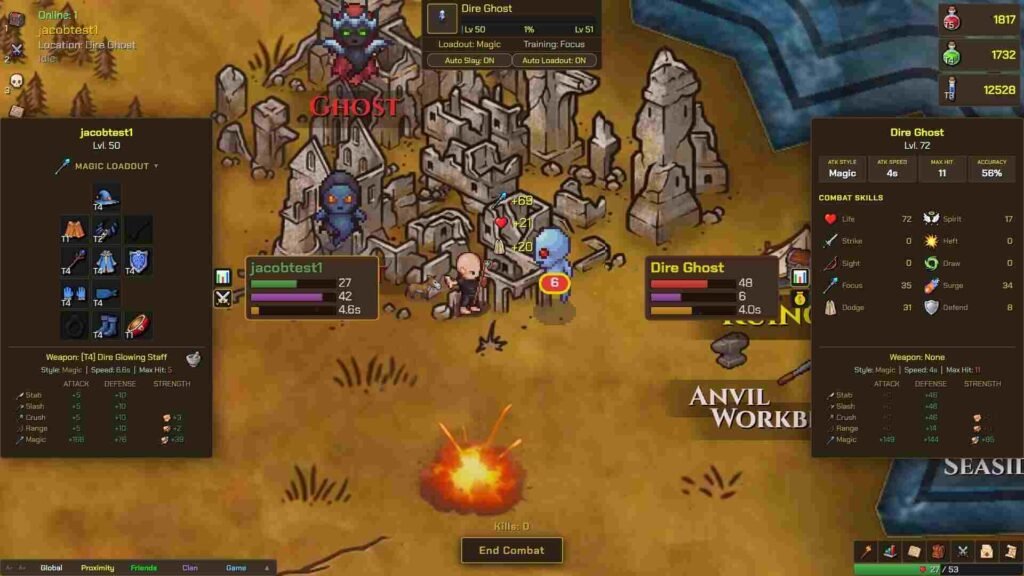
Scapewatch features 30 skills divided across several categories.
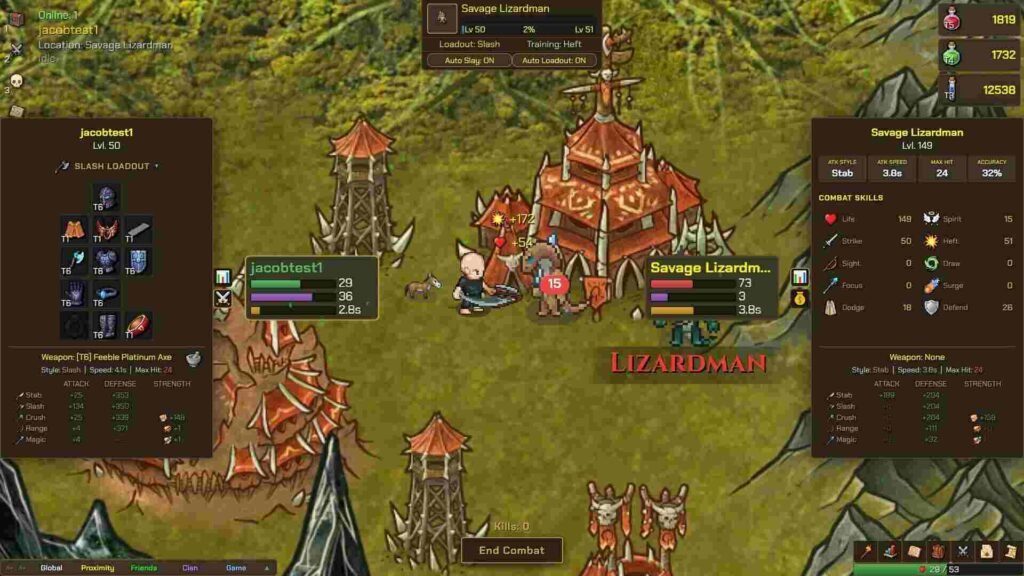
Combat skills include abilities such as Life, Spirit, Strike, Heft, Sight, Draw, Focus, Surge, Dodge, and Defend.
Gathering skills include Fishing, Mining, Foraging, Farming, Plundering, and other activities. Processing skills allow you to cook, smith, craft, brew, barter, and discover new possibilities.
This variety means you aren’t restricted to one playstyle. You can focus on combat, become a resource gatherer, improve your crafting abilities, or work toward a balanced character.
Combat and Character Progression
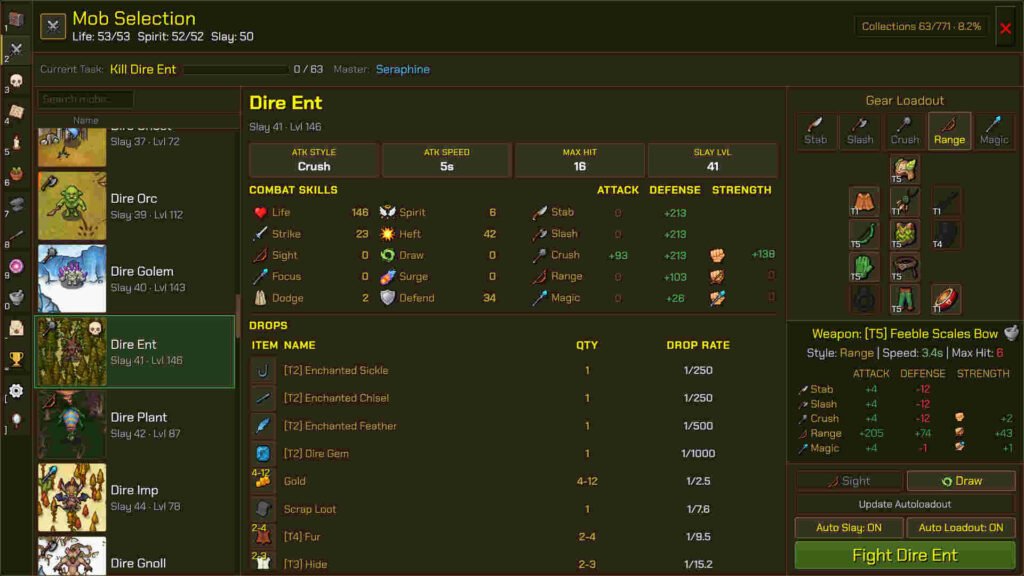
Combat in Scapewatch offers three primary styles: melee, ranged, and magic.
Each style has its own progression path, allowing players to specialize according to their preferred approach. As your skills improve, you can take on stronger enemies and work toward better equipment and rewards.
Combat is connected to the game’s wider progression system. Fighting enemies can provide experience and loot, while resources and crafting can support your character’s development. Dragon Shelter
The game also includes skill capes and other long-term rewards that give dedicated players visible milestones to work toward.
Clans and Raids
The MMO side of Scapewatch becomes especially important through clans.
Players can create or join clans, communicate with other members, compare progress, and work toward shared goals. The game also provides clan leaderboards and activity broadcasts that let players see notable events involving their friends and clanmates.
Raids support up to five players and include multiple difficulty levels.
During a raid, players fight through waves of randomized enemies. Teammates can revive one another between waves, while rewards are influenced by contribution. Successful groups can earn loot and compete for positions on clan leaderboards.
Pets, Capes, and Collection Goals
The game includes 60 skill pets, including shiny variants, along with 62 skill capes and trimmed versions. Players can also complete treasure scrolls, discover tiered loot chests, collect rewards, and work toward collection logs.
Hiscores track different areas of progression, including skills, pets, treasure scrolls, and clans.
These systems provide long-term goals for players who enjoy completing collections or comparing their progress with others.
Rather than finishing the game after reaching a certain level, Scapewatch is designed around continually improving your account and chasing the next milestone.
The Idle MMO System
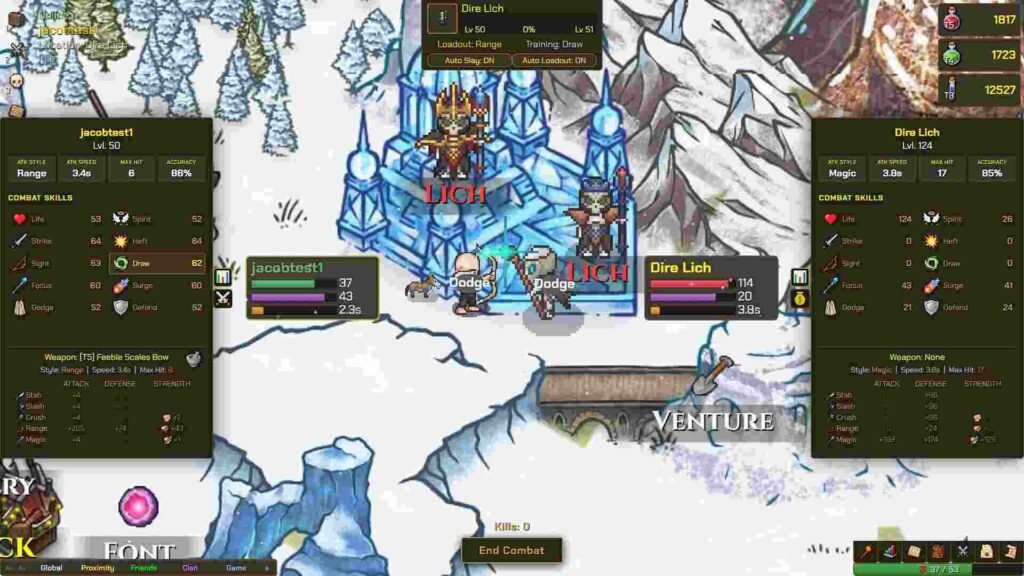
The idle system is the heart of Scapewatch.
Before leaving the game, you can set up your next task. Your character continues making progress while you’re away, meaning your return to the game can feel like opening a progress report.
You might come back to find that your character has gained experience, collected resources, defeated enemies, or completed another stage of a long-term objective.
This system makes Scapewatch particularly suitable for players who don’t have hours available every day. You can check your progress, adjust your queue, and leave again when necessary.
Graphics and Sound
Scapewatch uses a hand-crafted 2D top-down visual style rather than trying to compete with large modern MMORPGs on graphical complexity.
The presentation keeps the world readable and lightweight, which also helps the game run on modest hardware. The fantasy setting includes characters, creatures, equipment, pets, resources, and different areas to explore.
The game’s visual design works well with its idle concept because information remains easy to understand while you’re managing skills, inventory, tasks, and progression.
Who Will Enjoy Scapewatch: Idle MMO?
Scapewatch is designed for players who enjoy progression-heavy games but don’t always have time for traditional MMORPG sessions.
You’ll probably enjoy it if you like:
- Idle and incremental RPGs
- MMORPGs
- Skill progression
- Crafting and gathering
- Online co-op
- Clan systems
- Raids
- Pets and collection systems
- Leaderboards
- Long-term character development
Final Thoughts
Scapewatch: Idle MMO combines the long-term progression of an MMORPG with the convenience of an idle game.
Its 30 skills, three combat styles, clan system, five-player raids, pets, skill capes, treasure scrolls, and leaderboards give players many different goals to pursue. The offline progression system then allows your character to continue working toward those goals even when you’re away.
The game doesn’t try to overwhelm players with massive graphics or complicated systems. Instead, it focuses on progression, planning, social features, and the satisfaction of gradually building a stronger character.