
Project P.I.T.T. is one of those games that sounds strange when you first hear about it, but becomes much more interesting once you understand how it works. You play as a new company intern, and your first job is surprisingly simple: make rubber ducks and throw them into a huge hole called the Maw. The problem is that the Maw never seems to have enough. As you keep feeding it, the company expects more production, better results, and increasingly complicated systems.
The game mixes a first-person physics sandbox with automation, light progression, dark comedy, and a strange corporate setting. What starts as a silly duck-feeding job slowly turns into a much bigger production system. You unlock new tools, build machines, connect objects, improve your workflow, and try to keep up with the Maw as it grows. Underneath the funny idea is also a strange mystery about the company, the facility, and why you are doing all of this work in the first place.
Game Overview
Project P.I.T.T. was developed by Froke, a solo developer from France, and published by Pretty Soon. The PC version was released on August 19, 2026. It is listed as an Action, Casual, Indie, and Simulation game, while its official publisher page describes it as a physics-based automation sandbox with incremental elements.
The game is single-player and focuses on building strange production systems rather than traditional combat. You are placed inside a brutalist corporate facility where the Maw sits at the center of everything. Your job becomes increasingly difficult as production expands, and you need to find better ways to move objects, create products, and maintain a steady flow into the pit.
Your First Job
At the beginning, the task sounds almost ridiculous. You are an intern, your workstation is ready, and the company wants you to craft rubber ducks. Those ducks then need to be fed into the Maw.
The first few minutes are fairly easy to understand because the game does not throw a huge factory system at you immediately. You learn how objects work, how to move them, and how to get them into the pit. However, the simple process is only the beginning. As demand increases, doing everything manually becomes less practical, so you start looking for better ways to handle the workload.
The Maw
The Maw is the strange center of Project P.I.T.T. It is described as a huge corporate hole that becomes larger and hungrier as you continue feeding it.
This creates an unusual progression system. Normally, building a bigger factory means you are becoming more powerful or successful. Here, your success makes the thing you are working for even more demanding. The more efficiently you produce, the more the Maw seems to want. This gives the game a funny but slightly disturbing feeling, especially as the facility changes around you. Servant of the Lake
Building Physics Contraptions
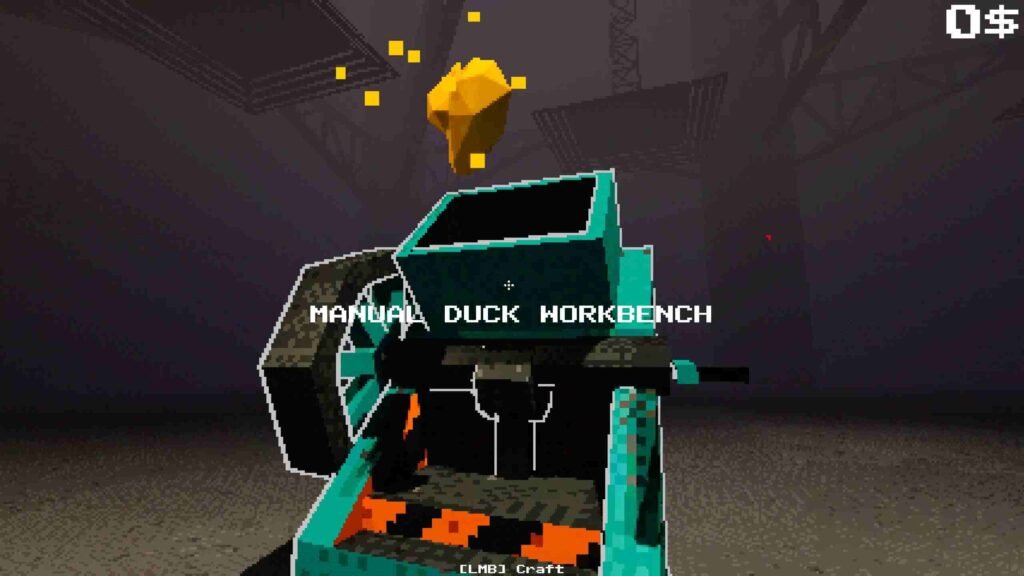
The main attraction is the physics sandbox.
Instead of simply placing standard machines on a fixed grid, you can build contraptions using objects that physically interact with each other. Magnets, fans, panels, pistons, launchers, and other tools can be combined to move products around the facility.
There is room for experimentation because objects do not always behave exactly like a traditional factory-game item. You can create a system that carefully moves products from one point to another, or you can build something completely chaotic that somehow manages to keep production going.
Automation
Automation becomes more important as the workload grows.
At first, you can handle simple tasks yourself, but eventually the amount of work becomes too much to manage manually. This is when you start creating production systems that can do part of the work for you.
The interesting part is that you are not simply connecting a few machines and walking away. You are working with physics objects, so positioning and movement matter. A badly placed panel or poorly designed launcher can cause your production line to behave in unexpected ways. Finding a setup that works consistently is part of the challenge.
From Ducks to Stranger Products
Rubber ducks are only the beginning.
As you progress, the game unlocks stranger objects, new tools, and additional production options. This prevents the gameplay from staying exactly the same from beginning to end.
The idea is to start with a silly and simple product, then gradually turn the facility into something much more complicated. Eventually, production becomes assembly, objects begin connecting in unexpected ways, and the job starts feeling very different from the simple task you were given at the beginning.
Combo System
Project P.I.T.T. also has a combo system that rewards efficient production.
When you keep products moving and maintain a good production flow, you can build combos and improve your payout. This gives you another reason to experiment with your factory rather than simply finding the easiest way to complete the basic task.
A well-designed production line can therefore become more than a convenient setup. It can help you earn more and push your progression forward faster. The audio and visual feedback also make successful combos feel more satisfying.
Improving Your Workflow

Efficiency is an important part of the game.
You are not expected to build the perfect factory immediately. Instead, you start with basic tools and gradually unlock equipment that helps you improve the way you work.
Sometimes the best improvement is a small change. Moving an object slightly, adding a fan, using a magnet, or changing the position of a launcher can make your production line work much better. This gives you plenty of reasons to look at an old setup and think about how you could improve it.
Corporate Satire
Project P.I.T.T. is not just a factory sandbox with a strange story.
The whole setting is built around corporate satire. You are an employee whose job is to keep feeding a mysterious corporate machine, and the company constantly expects you to do more.
The environment also tells part of the story. Corporate safety posters, brutalist concrete spaces, and the changing facility help create a workplace that feels both funny and uncomfortable. The game does not need long speeches to explain the joke because the setting itself communicates the idea.
PSX-Style Graphics
The visual style is one of the game’s most recognizable features.
Project P.I.T.T. uses a low-poly, retro PSX-inspired look with brutalist environments and industrial lighting. The graphics are intentionally rough and simple rather than trying to compete with modern realistic games.
This works well with the strange atmosphere. The facility feels old, empty, and slightly uncomfortable, while the simple visuals help keep attention on the physical objects and machines you are building.
When the Job Gets Strange
The game begins with a very simple question: why are you making rubber ducks?
As you continue working, that question becomes more interesting. You start producing stranger objects, building larger systems, and dealing with a facility that changes as the Maw grows.
Eventually, the game starts questioning the nature of the job itself. Where are you? Who actually employs you? Why is the company asking you to feed all of these objects into the Maw?
This mystery gives the game more personality than a standard automation simulator.
Exploring the Facility
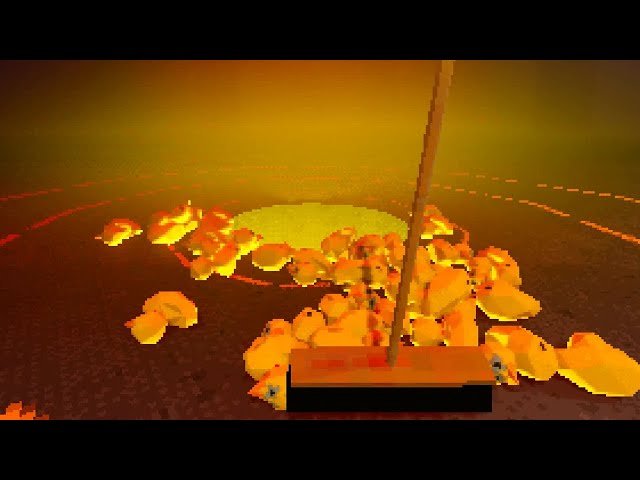
Although production is the main activity, the facility itself is worth paying attention to.
The brutalist environment changes as you progress, and the company uses the surroundings to communicate information about what is happening. Safety posters and other details can become increasingly strange as the game moves forward.
This means you are not simply staring at your production line all the time. Taking a moment to look around can help you appreciate the atmosphere and notice some of the game’s darker jokes.
My Personal Experience
If I were playing Project P.I.T.T., I think I would enjoy the physics system more than anything else. The idea of building a machine that looks completely ridiculous but somehow manages to keep producing items is exactly the kind of thing that can make a sandbox game fun.
I would probably start with a simple production setup and then keep changing it as new tools became available. Instead of rebuilding everything from scratch, I would try to improve the old system piece by piece. I also like the contrast between the silly rubber ducks and the dark corporate setting. It gives the game a personality that a normal factory simulator might not have.
Why the Physics Matter
Physics is not just there to make the game look funny.
It affects how your production systems work. Objects can be moved using different devices, and the way those objects interact can change the result of your setup.
This means that experimentation is important. You may have an idea for how something should work, build it, and then discover that the physics create a completely different result. Sometimes that will be a problem. Other times, the unexpected result may actually be useful.
Progression
Project P.I.T.T. uses a gradual progression system.
You begin with a limited number of tools and a very basic production task. As you continue feeding the Maw, you unlock more equipment and new objects.
This creates a natural feeling of growth. Your first production setup may look tiny compared with what you are capable of building later. By the time you have access to more advanced tools, you can create much more complicated systems and handle a larger workload.
Steam Deck Support
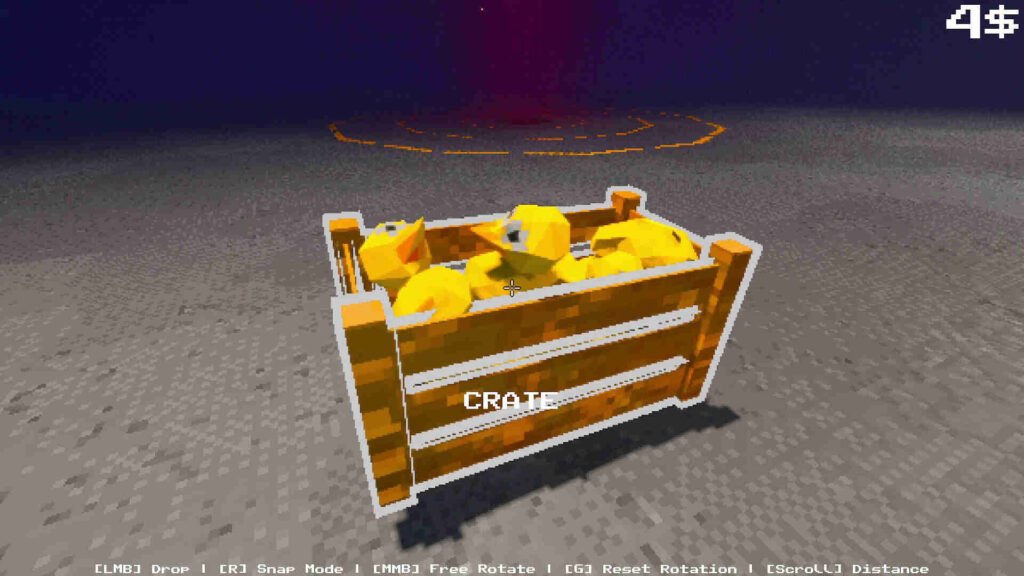
Project P.I.T.T. is also Steam Deck Verified, according to the developer’s launch FAQ. This makes it possible to play the game on Valve’s handheld PC without needing to rely on a desktop setup.
The game’s relatively simple visual style also makes it a natural fit for portable play. If you enjoy short sessions where you experiment with a production line and then stop, the Steam Deck can be a convenient way to play.
System Requirements
Minimum
- OS: Windows 10
- Processor: Intel i3-6100 / AMD FX-6300
- Memory: 4 GB RAM
- Graphics: GTX 750 Ti / RX 460
- Architecture: 64-bit processor and operating system
Recommended
- OS: Windows 11
- Processor: Intel i5-8400 / AMD Ryzen 5 2600
- Memory: Check the current Steam listing for the latest recommended memory specification
- Graphics: Check the current Steam listing for the latest recommended GPU specification
The minimum requirements are fairly modest, especially compared with many modern 3D games. The retro visual style helps keep the hardware demand reasonable.
Pros & Cons
Pros
- Very unusual game concept
- Fun physics sandbox
- Creative automation systems
- Funny corporate setting
- Interesting PSX-style graphics
- Lots of room for experimentation
- Simple gameplay that becomes deeper over time
- Satisfying combo system
- Good progression
- Steam Deck Verified
Cons
- Physics can sometimes become chaotic
- Repetitive production may not suit everyone
- Limited traditional combat
- Single-player only
- Players looking for a conventional story may find the mystery unusual
- Factory setups can take time to understand
Is Project P.I.T.T. Worth Playing?
Project P.I.T.T. is worth trying if you want something that feels different from a normal factory simulator.
The basic idea of feeding rubber ducks into a giant hole sounds like a joke, but the game builds a surprisingly complete system around it. You create production lines, improve efficiency, unlock new objects, use physics tools, build combos, and watch the Maw become larger as your work continues.
The game’s strongest feature is probably the combination of physics and automation. You are not simply placing machines according to a fixed recipe. You are creating systems and watching physical objects interact. That gives the game plenty of room for experimentation.
How to Download This Game
Project P.I.T.T. is available for PC through Steam, and the game also has a demo. It launched on August 19, 2026. The developer has also confirmed Steam Deck Verified support.
For a safe installation, use the official Steam version rather than unknown third-party installers. The official version also provides access to updates, achievements, Steam Cloud, and the supported platform features.
Final Thoughts
Project P.I.T.T. takes the idea of factory automation and gives it a very strange twist. Instead of mining rocks or producing ordinary industrial goods, you begin your career by making rubber ducks for a giant corporate pit. As your production improves, the Maw grows, your tools become more advanced, and the simple job slowly turns into something much harder to explain.
The physics system is what gives the game its personality. Magnets, fans, pistons, launchers, panels, and other objects can be combined to create production systems that are efficient, messy, or completely ridiculous. At the same time, the retro PSX presentation and corporate satire give the whole experience a strange atmosphere.